
In a stunning shift in global military power, India has leapfrogged China to claim the title of the third most powerful air force in the world. While the United States continues to dominate, followed by Russia, India’s rise signals a dramatic recalibration in Asia’s strategic balance.
China, long considered a major air power, now ranks fourth. The latest World Directory of Modern Military Aircraft (WDMMA) rankings cover 103 countries and 129 air services—including army, navy, and marine aviation branches—and track a total of 48,082 aircraft worldwide.
Newsweek has reached out to the State department as well as the Foreign Ministries of China and India for comment.
Air power remains a decisive factor in global military strategy. The United States continues to lead, with its air capabilities surpassing the combined fleets of Russia, China, India, South Korea, and Japan. This dominance is supported by nearly 40 percent of global military expenditure concentrated in the United States.
At the same time, nations such as India and China are rapidly modernizing their air forces amid rising geopolitical tensions. Janes, a leading global open-source defense intelligence provider, projects that global defense spending could rise by 3.6 percent by the end of the year, reaching approximately $2.56 trillion. This continued growth reflects intensified conflicts and strategic realignments worldwide, emphasizing the crucial role of air power in both modern warfare and international deterrence.
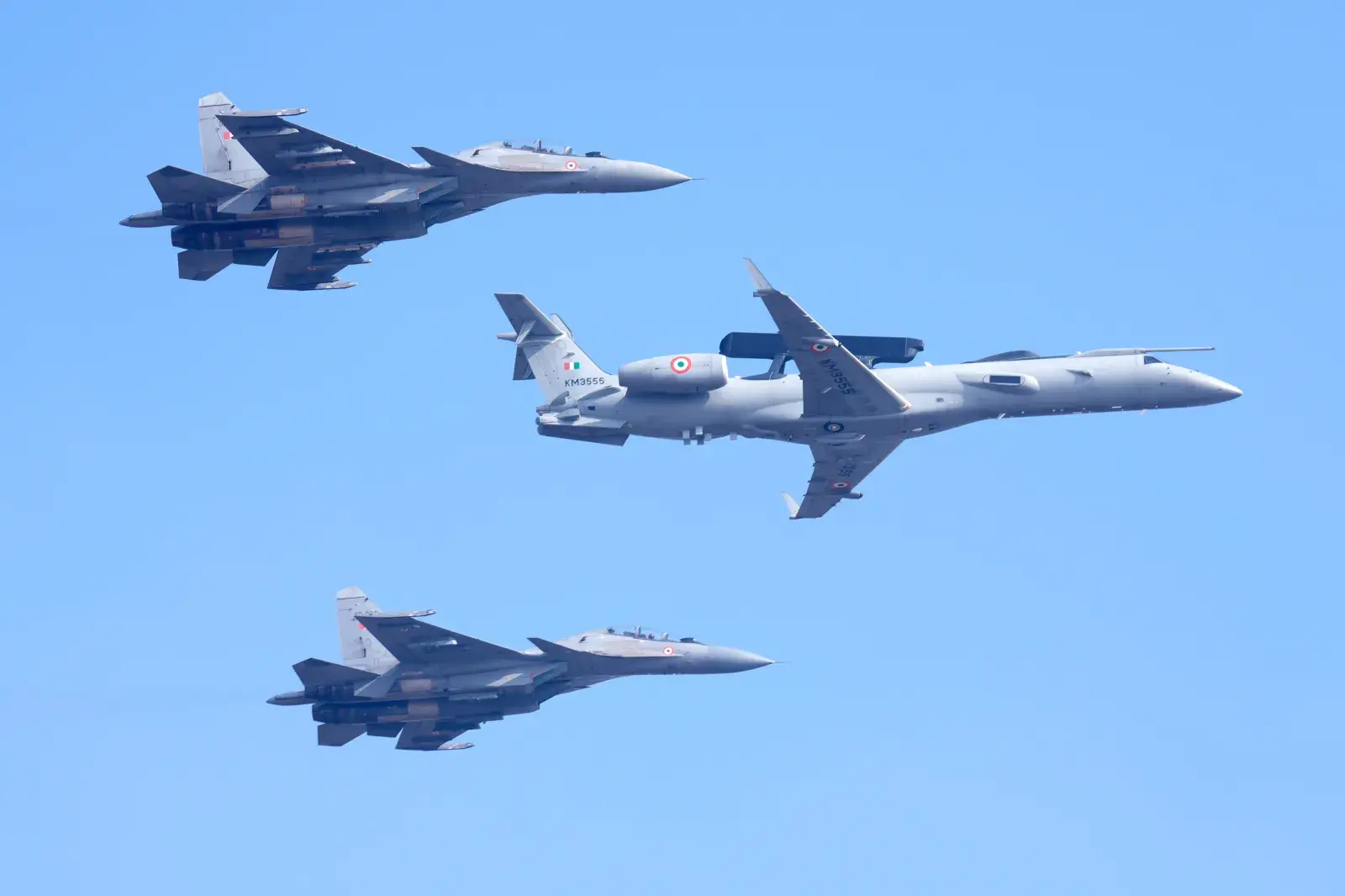
India’s air force now ranks sixth globally, with a TruVal Rating (TVR) of 69.4. This rating evaluates not only the quantity of aircraft but also factors such as attack and defense capabilities, logistical support, modernization and operational training. In its fleet of 1,716 units, India maintains a balanced force composition: 31.6 percent fighters, 29 percent helicopters, and 21.8 percent trainers. The Indian Air Force (IAF) sources its equipment from a diverse range of countries, including the U.S. and Russia, reflecting its complex geopolitical positioning.
The operational effectiveness of India’s air force was notably demonstrated during Operation Sindoor, a series of precision strikes carried out in May on infrastructure in Pakistan and Pakistan-Occupied Kashmir. Conducted in response to the April 22 terror attack in Jammu and Kashmir’s Pahalgam that claimed 26 lives, the operation showcased India’s ability to swiftly engage and neutralize threats beyond its borders. The mission underscored the IAF’s enhanced precision, coordination and strategic reach, reflecting its growing air superiority in the region.
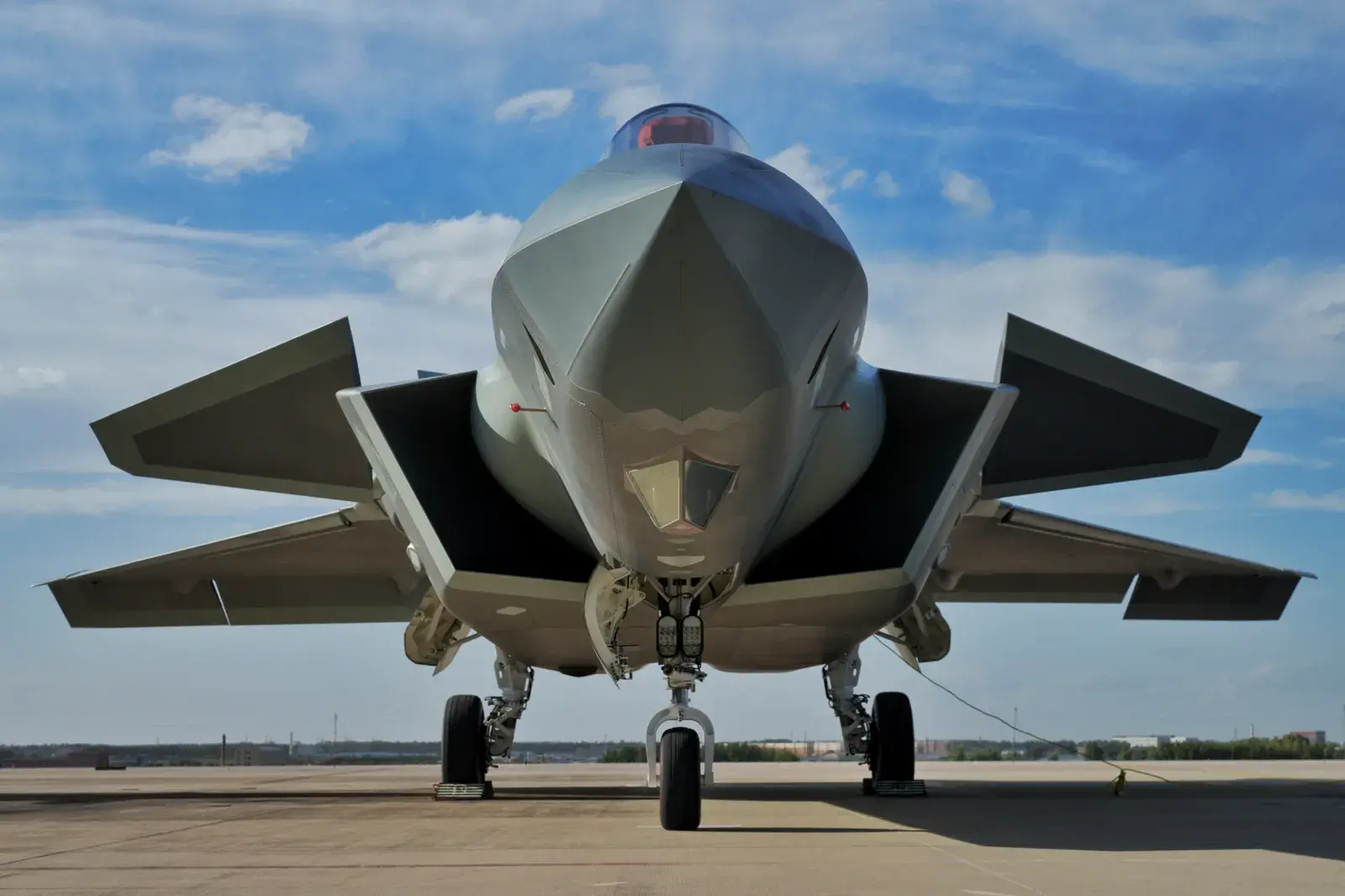
China ranks seventh with a TVR of 58.1. While Beijing continues to invest heavily in technology and fleet modernization, factors such as training, close-air support, and specialized bomber units impact its overall ranking. The gap between India and China underscores the importance not only of fleet size but also operational readiness and strategic capabilities.
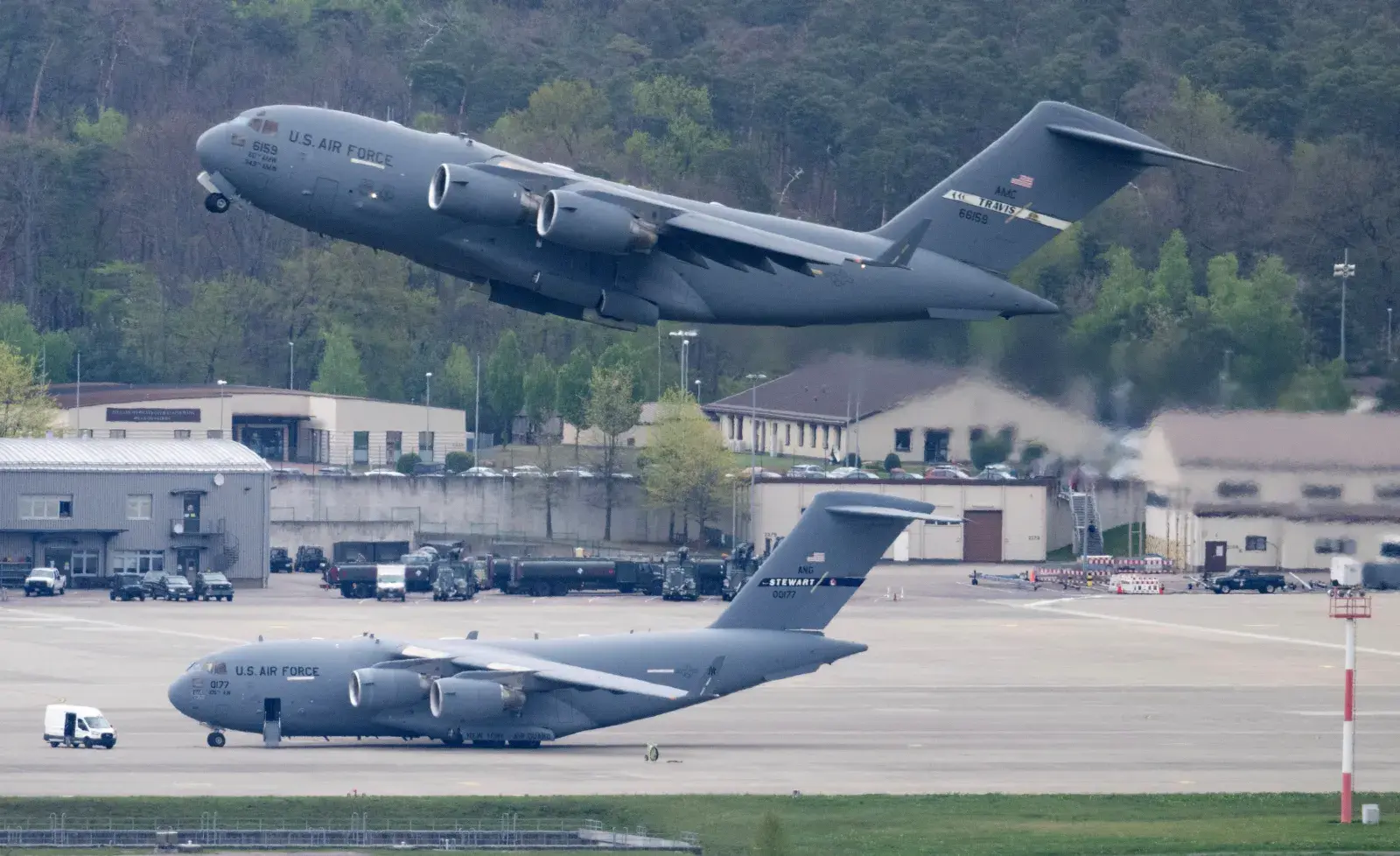
The U.S. Air Force remains the global leader with a TVR of 242.9, benefiting from strategic bombers, a multi-role fighter force as well as extensive transport, tanker, and special-mission aircraft. The U.S. Navy ranks second in the rankings and Russia third with a TVR of 142.4, maintaining roughly a third of U.S. capabilities. When all U.S. air services—Air Force, Navy, Army, and Marines—are considered together, India’s air force ranks third globally, underscoring its emerging strategic role.
Rounding out the top 10,, the U.S. Army Aviation is fourth and the U.S. Marine Corps Aviation fifth. Japan’s Air Self-Defense Force, Israel’s Air Force, and France’s Air and Space Force complete the list. The WDMMA ranks each U.S. branch individually due to their distinct command structures and operational roles.
India’s enhanced air capabilities signal a shift in regional power dynamics, especially in South Asia. As China continues to modernize, and the U.S. and Russia maintain their dominance, India’s position as a growing air power will likely influence future strategic and defense planning worldwide.