
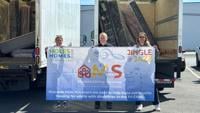
• Ben Franklin Transit donated two retired vans to Elijah Family Homes and Seasons Housing through its Van-Me-Down program
• The nonprofits serve families in recovery and people rebuilding their lives who need reliable transportation for jobs, medical appointments, and daily necessities
• Transportation access is identified as a critical link between survival and stability for people in recovery programs
KENNEWICK, Wash. — Ben Franklin Transit has donated two retired vans to local nonprofits that serve families in recovery and people rebuilding their lives, providing what organizers call essential lifelines for transportation-dependent services.
The transit agency provided the vehicles to Elijah Family Homes and Seasons Housing through its Van-Me-Down program, which was initiated more than five years ago. This program repurposes retired fleet vehicles for community use rather than disposing of them.
For families served by these organizations, the vans represent more than basic transportation. They provide access to employment, medical care, education, and essential services that can determine whether someone maintains stability or faces setbacks in their recovery journey.
“It means they can take their kids to school and back. It means they can go get groceries and not worry about whether they can only carry two bags. They can get as much as they need for their families. It means getting to a doctor’s appointment on time,” said Lisa Godwin, executive director of Elijah Family Homes.
Elijah Family Homes supports parents working to rebuild their lives, while Seasons Housing provides recovery residences across the Tri-Cities. Both nonprofits identified dependable transportation as often the missing component between basic survival and long-term stability for their clients.
The transportation challenge affects multiple aspects of recovery and family rebuilding. Without reliable transportation, parents struggle to maintain employment, children miss school, and families are unable to access medical care or social services that support their progress.
“Transportation is so key in someone who is new in recovery. People might make all these appointments, but they get stressed out when they aren’t able to get to them, and hopefully we’re able to cut down on that stress level for them,” said Jason Bliss, executive director of WAQRR.
Ben Franklin Transit views the donation program as an extension of its community service mission beyond traditional public transportation routes. The agency views the Van-Me-Down program as a means to continue serving residents even after vehicles have reached the end of their primary service life.
“BFT felt that this was a great way to give back to the community. We’re in the business of moving people around, buses and vans, but at the end of the day, we’re in the business of building our community as well,” said Kevin Sliger, chief planning and development officer for Ben Franklin Transit.
The donated vans previously served in Ben Franklin Transit’s rideshare fleet before being retired from regular service. Rather than selling or scrapping the vehicles, the transit agency identified nonprofit organizations that could benefit from the transportation resources.
The program addresses a significant gap in services for vulnerable populations. Many people in recovery programs or family rebuilding situations lack personal vehicles or cannot afford reliable transportation, creating barriers to accessing the very services designed to help them succeed.
For Elijah Family Homes, the van will enable parents to transport children to school, shop for family necessities without limitations, and attend medical appointments on time. These seemingly routine activities become significant challenges without dependable transportation.
Seasons Housing will utilize its donated van to help residents maintain connections to recovery services, employment opportunities, and medical care. The organization operates recovery residences throughout the Tri-Cities area, where access to transportation can determine whether residents complete their programs.
The Van-Me-Down program reflects a broader understanding that transportation equity affects community health and economic stability. When people cannot reliably reach jobs, medical care, or educational opportunities, entire families and communities feel the impact.
Both nonprofits plan to put the vans into service immediately. The vehicles will help parents reach employment, ensure children attend school regularly, and maintain residents’ connections to recovery services and community support systems.
The donation represents a practical solution to a persistent challenge facing social service organizations. While many nonprofits focus on providing housing, counseling, or job training, transportation barriers can undermine these efforts if clients cannot reliably access services.
Ben Franklin Transit’s approach demonstrates how public agencies can extend their community impact beyond traditional service boundaries. By repurposing retired vehicles for nonprofit use, the transit agency continues its mission of keeping people mobile and connected to opportunities.
For the families who will depend on these vehicles, the vans represent more than transportation. They provide access to the stability, opportunities, and connections that support long-term success in recovery and family rebuilding efforts.



COPYRIGHT 2025 BY APPLE VALLEY NEWS NOW. ALL RIGHTS RESERVED. THIS MATERIAL MAY NOT BE PUBLISHED, BROADCAST, REWRITTEN OR REDISTRIBUTED.